From Blueprint to Build: A Day in the Life of a Steel Rigger
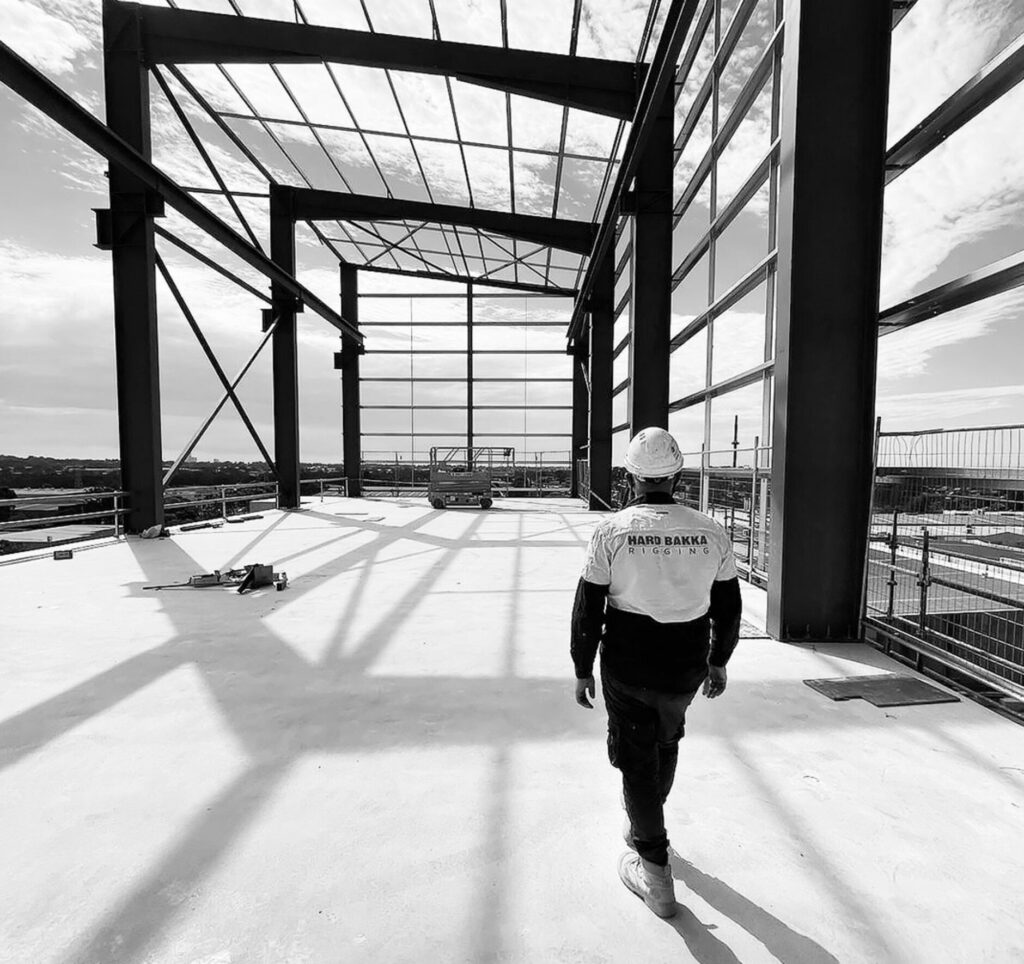
Steel rigging is the backbone of modern construction. From soaring bridges to complex industrial structures, these feats of engineering would be impossible without the precision, strength, and coordination of steel riggers. But what does a typical day look like for these unsung heroes of the build site?
Let’s take a closer look at the essential tasks steel riggers perform to bring blueprints to life—one beam at a time.
The Role of a Steel Rigger
A steel rigger is responsible for moving, placing, and securing structural steel components on-site. This role demands a blend of physical strength and technical expertise, as riggers must interpret engineering drawings, calculate safe lifting configurations, and collaborate with crane operators, welders, and site supervisors.
Their precision work ensures that steel structures are erected safely and in alignment with project specifications—making them indispensable to any large-scale build.
Step-by-Step: What Happens in a Typical Day
Rather than following a rigid hour-by-hour routine, steel riggers adapt to the evolving needs of each project. Here’s a breakdown of the typical stages involved in a day’s work on-site:
1. Unloading Steel Deliveries
The day often begins with unloading steel members delivered to the site. These materials are carefully offloaded using cranes or forklifts and checked against delivery manifests. Attention to detail at this stage is critical to avoid mix-ups and delays.

2. Sorting Members for Staging
Next comes sorting. Steel beams, purlins, and plates are arranged in the correct staging areas based on the construction sequence. This organisation allows the crew to streamline their work and avoid bottlenecks during erection.
3. Lifting Steel Into Place
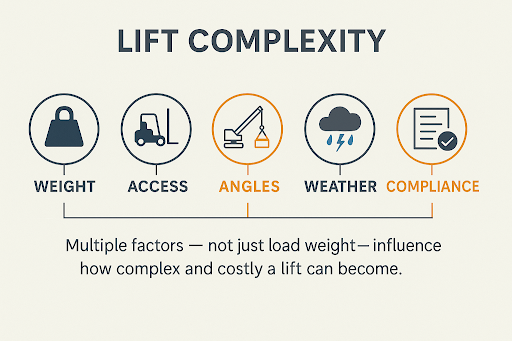
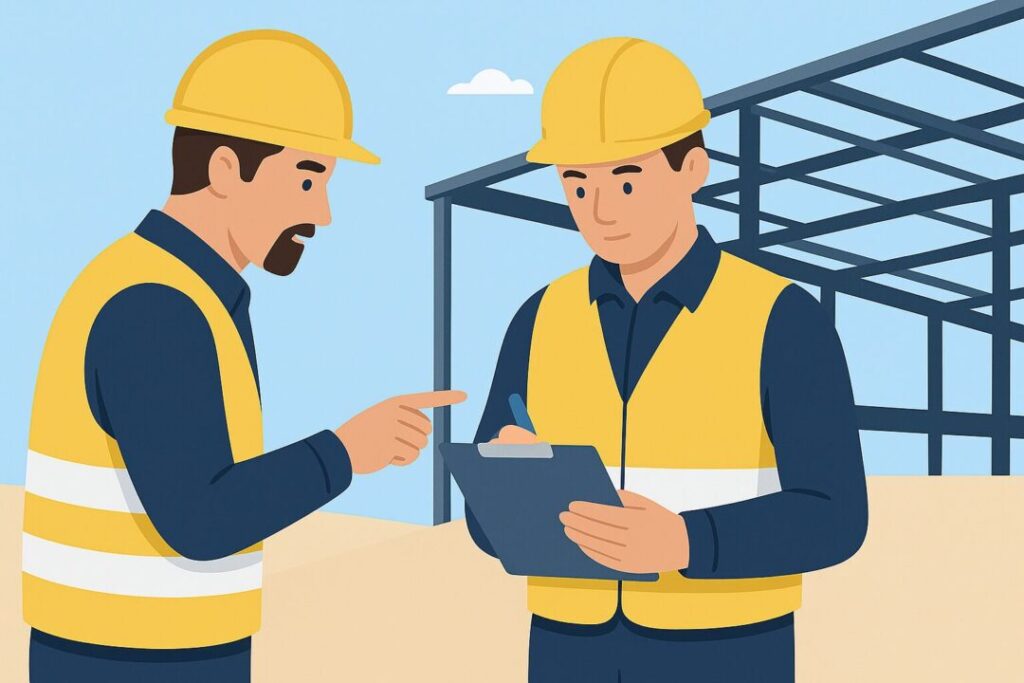
With preparation complete, lifting operations begin. Steel riggers attach rigging gear, guide the crane operator using hand signals or radios, and help manoeuvre the load into precise position. Whether it’s a primary support beam or a roof truss, each lift demands intense coordination and safety focus.

4. Bolting, Tensioning, and Securing
Once a member is in place, riggers secure it using bolts and tensioning systems. They ensure connections are tight and meet engineering tolerances. This stage is vital to the structural integrity of the build.
5. Aligning Purlins and Bracing
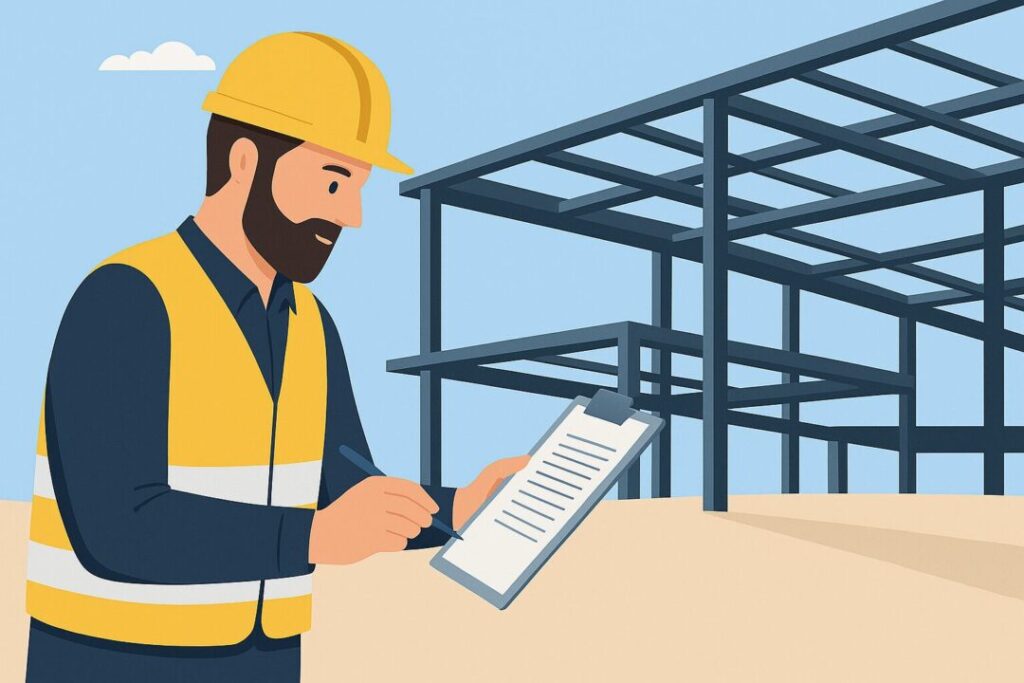
Steel riggers also install and align purlins, girts, and cross-bracing, helping to stabilise the frame as it rises. These components often connect across multiple sections and require meticulous alignment to prevent future problems with cladding or roofing.

6. Double-Checking and Adjustments
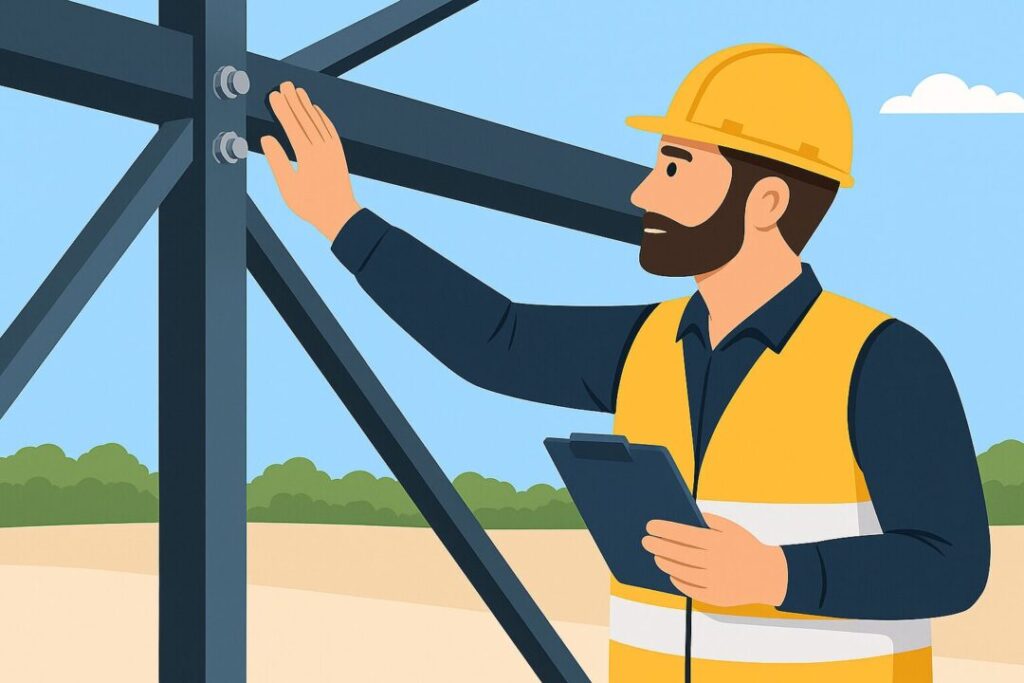
Before packing up, the team inspects all work to ensure everything is secure. They check bolt tensions, verify lift logs, and document completed sections. Safety doesn’t end with installation—it extends to post-lift verification and preparation for the next day’s work.
Safety First, Always
At every stage of the process, safety is paramount. Steel riggers are trained in WHS regulations, high-risk work licensing (HRWL), dogging, and crane safety procedures. They also undergo routine refresher training in harness systems, fall arrest techniques, and rigging configurations to maintain industry compliance.
A single oversight in rigging can cause serious delays or injury, which is why every step is planned and verified by a qualified crew.
Why It Matters
Steel riggers don’t just move metal—they translate blueprints into reality. They are engineers in action, transforming design into function, and lifting the framework for everything from hospitals to stadiums. Without them, there is no structure to build upon.
Final Thoughts
A day in the life of a steel rigger is less about the clock and more about the task. Each project is unique, demanding adaptability, skill, and precision. At Hard Bakka Rigging, our team brings decades of experience to the job—executing lifts safely, efficiently, and in compliance with the highest standards.
Looking for expert steel rigging for your next project?
📞 Contact Bill Bakka at +61 415 878 744
📩 sales@hardbakkarigging.com.au
🌐 www.hardbakkarigging.com.au!