Crawler crane vs mobile crane: what decides the choice, from the crew that runs both
When a steel package goes out, one of the first questions on a project manager’s list is which crane will lift it. For most structural steel jobs in Sydney and NSW, the realistic options are a crawler crane or a mobile crane, sometimes with a pick-and-carry crane working alongside.
We run all three in our own fleet, so here’s how we think about the choice. The lift study makes the final call. However, these are the questions that shape it.
1. How does the work move across the site?
A crawler crane works from its tracks. It doesn’t need outriggers set up for every lift the way a mobile crane does. So when the work moves bay by bay along a long building, the crane can move with it, subject to the lift plan.
A mobile crane sets up, lifts, then packs up to move. Each new position means setting outriggers again. That suits work the crew can do from a few set-up points, such as a compact frame or a run of lifts within reach of one spot.
In short, if your steel runs along a long building, a crawler can save a lot of setting up. If the lifts group around a few positions, a mobile crane usually suits better.
2. How long is the crane needed?
A mobile crane drives to site and is working soon after it arrives. That makes it a strong choice for short jobs, one-day lifts and work spread over several sites.
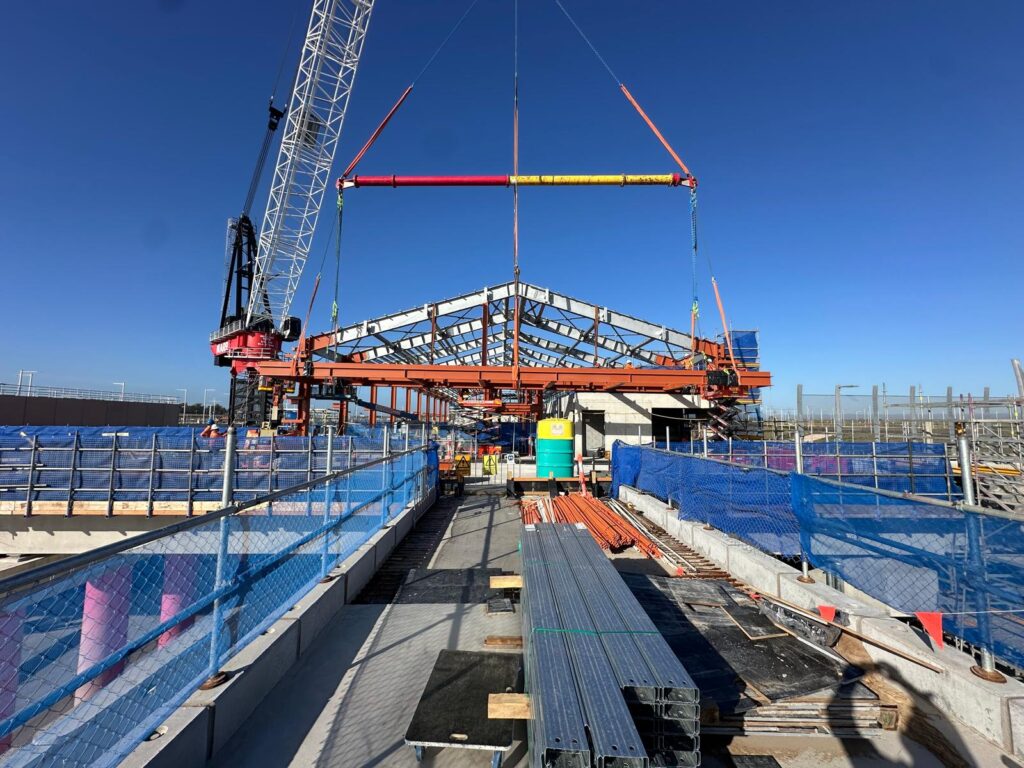
A crawler crane travels to site on transport and is set up there before it works. The extra time at the start pays off when the crane stays on one job for a longer erection programme.
For a short visit, lean towards a mobile crane. For days or weeks of lifting on one site, look at a crawler.
3. What is the ground like?
Every crane puts its load into the ground, so ground conditions come first whichever crane you choose.
- A mobile crane concentrates its load through its outrigger pads.
- A crawler crane spreads its weight across its tracks, but still needs suitable ground along the path it travels.
Either way, we look at ground conditions, access and the lift path before the crane arrives, and your engineer confirms what the ground can take. If it can’t take the crane where the lift needs it, the plan changes before anything is booked. For the wider rules on plant and cranes, see the SafeWork NSW codes of practice.
4. How tight is the site for a crawler or mobile crane?
On a tight or busy site, the space to set up and move matters as much as the lift itself.
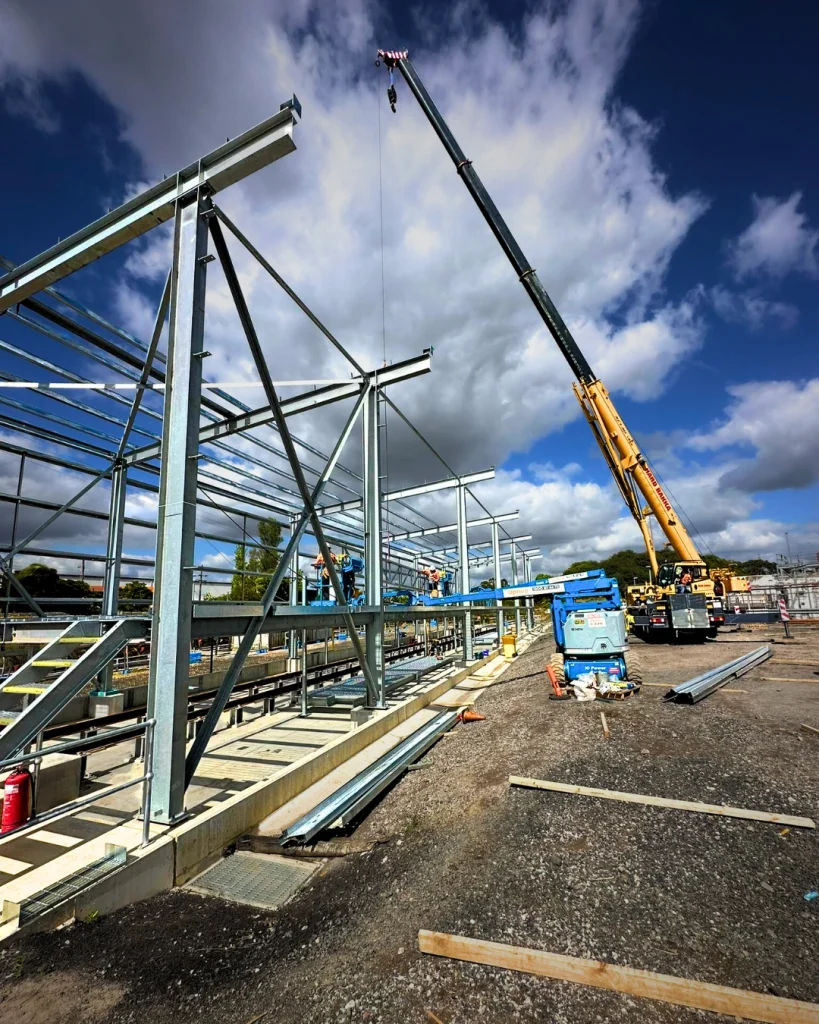
- A mobile crane needs room for its outriggers at each set-up point.
- A crawler crane needs room to travel and turn along its path.
- A pick-and-carry crane like our 20T Franna doesn’t need outriggers. It can carry a load short distances around a site, which suits tight-access lifting, steel moves and yard work.
On many jobs, the answer is a combination: a larger crane for the main lifts, and a Franna moving steel to where it’s needed.

5. What is being lifted, and how far?
The heaviest pick, the reach to where it lands and the height all decide the size of crane. These come from the lift study, not from a rule of thumb.
We don’t size cranes from a table in a blog post, and neither should you. Instead, send us the drawings and the heaviest pieces, and we’ll work it out properly.
Crawler crane vs mobile crane: how we choose
Our own fleet, by size:
- 60T crawler crane: a 2026-model Zoomlion, on wet hire with our operator
- 30T XCMG mobile crane: for steel erection, construction lifts and work needing reach and height
- 20T Franna pick-and-carry: for steel moves, tight access and yard work
- 4T telehandler
When a lift needs a larger crane, we can provide one.
Every lift starts with a lift study and an erection methodology, considered before mobilisation, plus project-specific SWMS and daily toolbox talks. Our riggers and dogmen work with the crane on every steel erection job.
Not sure which crane your job needs? Send the drawings, site address and heaviest pieces to sales@hardbakkarigging.com.au or call 0415 878 744. We’ll come back with a crane plan and price.