What to settle before the steel ships, from the crew who put it up
Imported structural steel can come from a long way away. The crane, the riggers and the erection sequence are still sorted out here, and most of what makes an install run well is decided before the steel ships.
This guide is for builders, importers and overseas fabricators bringing structural steel into Sydney and NSW. It sets out what we’d want settled early, from the point of view of the crew putting it up. For the install itself, see our guide to structural steel installation.
1. Bring the erection crew in before shop drawings are final
Decisions in the shop drawings show up on site: where the splices sit, how big each piece is, where it can be lifted from and whether the crew can reach the connections.
Shipping adds another limit, because piece lengths may be set by how the steel travels. A member split to fit a container means another connection to make on site, possibly at height.
An early review by the erector lets those questions come up while they’re still easy to answer. It also gets the erection sequence and temporary stability thought through before anything is cut. Any change still goes through your structural engineer.
2. Agree the paperwork before fabrication starts
AS/NZS 5131 covers both fabrication and erection, so it’s the common reference for everyone on the job. Agree the construction category with your engineer first, then agree who holds which record.
The usual list:
- Mill test certificates for the steel members
- Certificates for welding consumables, bolts and coatings
- Traceability from fabrication through transport to erection
- An Inspection and Test Plan with hold, witness and monitoring points
WorkSafe Victoria’s guidance on imported structural steelwork is a useful checklist, including who is expected to do what. It’s written for Victoria, so confirm the requirements for your NSW job with your engineer and certifier. The Australian Steel Institute’s Technote TN018 and the Steelwork Compliance Australia register of certified fabricators are also worth checking.
3. Pack and ship in erection order
Containers get packed to fit the steel in. The crew needs it in the order it goes up. When the first frame is at the back of the last container, the crane waits.
Before anything is loaded, ask for:
- A packing list by piece mark, matched to the erection sequence
- Bolts and small items boxed and labelled by area
- Deliveries staged so the site isn’t holding more than it has room for
4. Plan unloading, laydown and the crane together
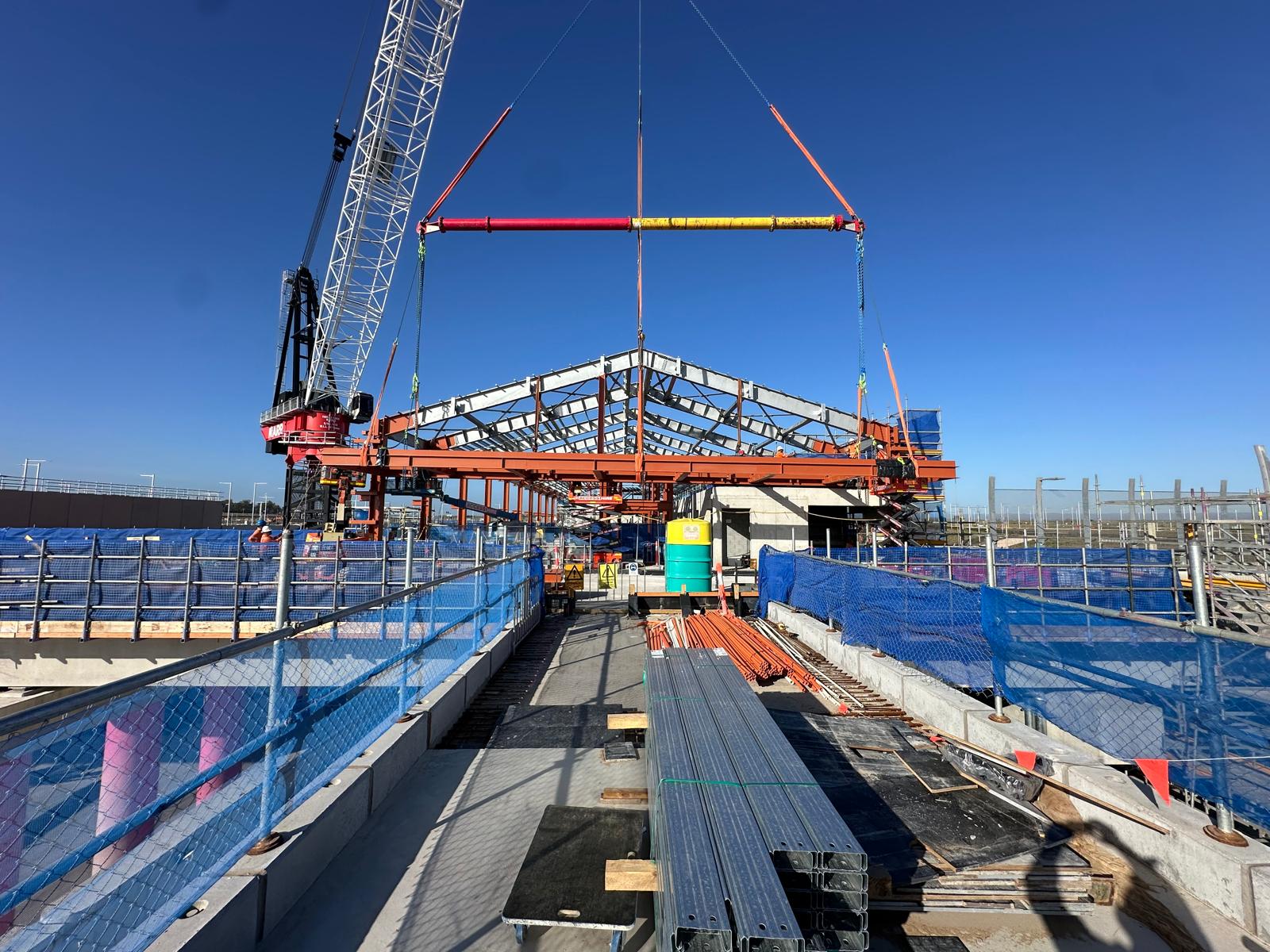
Work out how trucks get in, where containers are unpacked and where the steel sits until it’s lifted. Those three answers shape where the crane sets up.
The lift study then looks at the heaviest pick, the reach and the ground under the crane. Our own fleet is a 60T crawler, a 30T XCMG, a 20T Franna and a 4T telehandler, and we can provide larger cranes when a lift needs it.
5. Check the steel when it lands
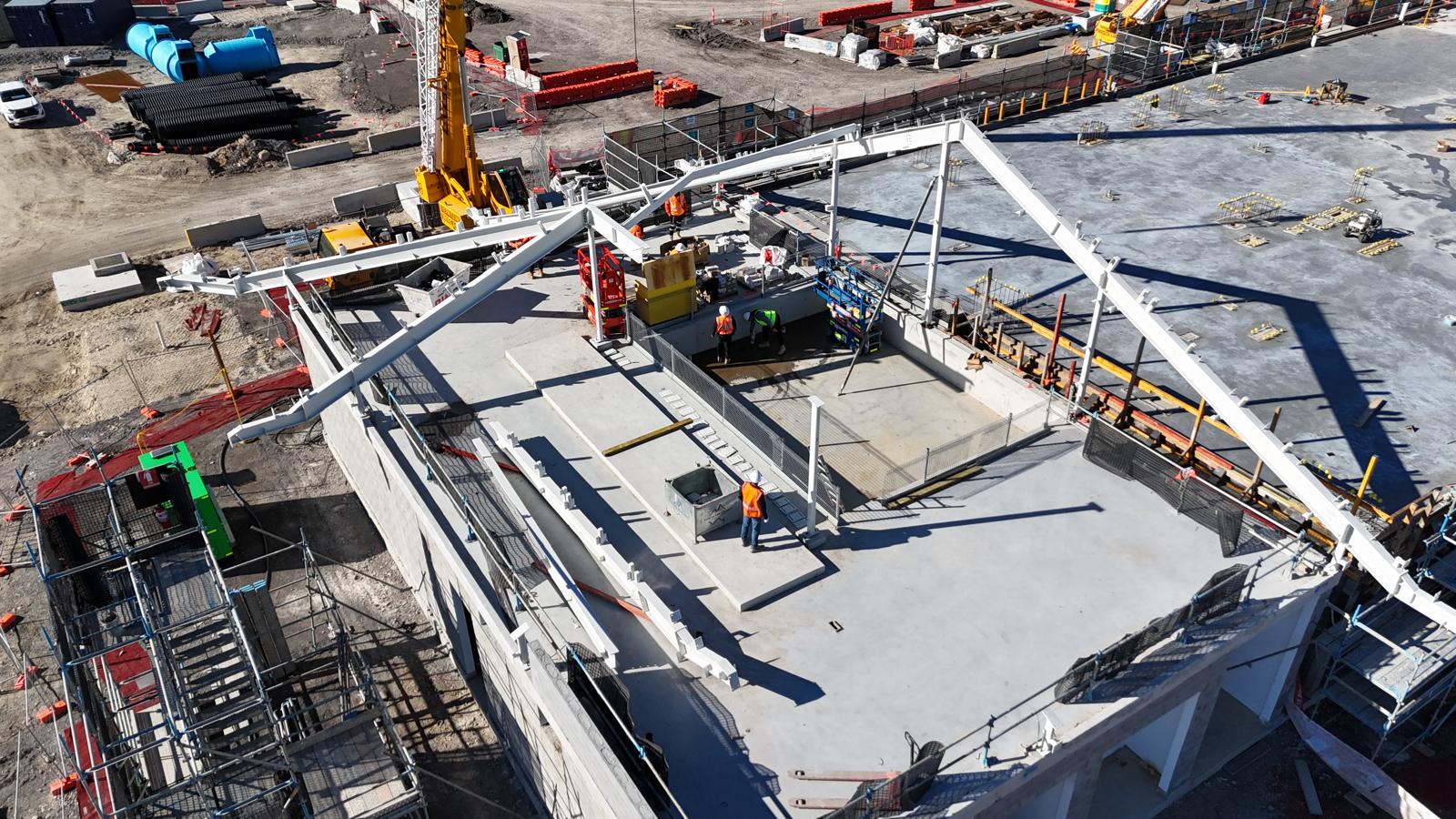
Check the steel against the packing list before the crane is booked to lift it. Count the pieces, read the piece marks, and look for transit damage to the steel and its coating. Ask early who does this check and who signs it off.
Agree what happens if a piece doesn’t fit, too: who approves the fix and who carries it out. Settling that now keeps the crew working if it comes up. Our crews can carry out onsite welding and steelwork fixes on the jobs we install.
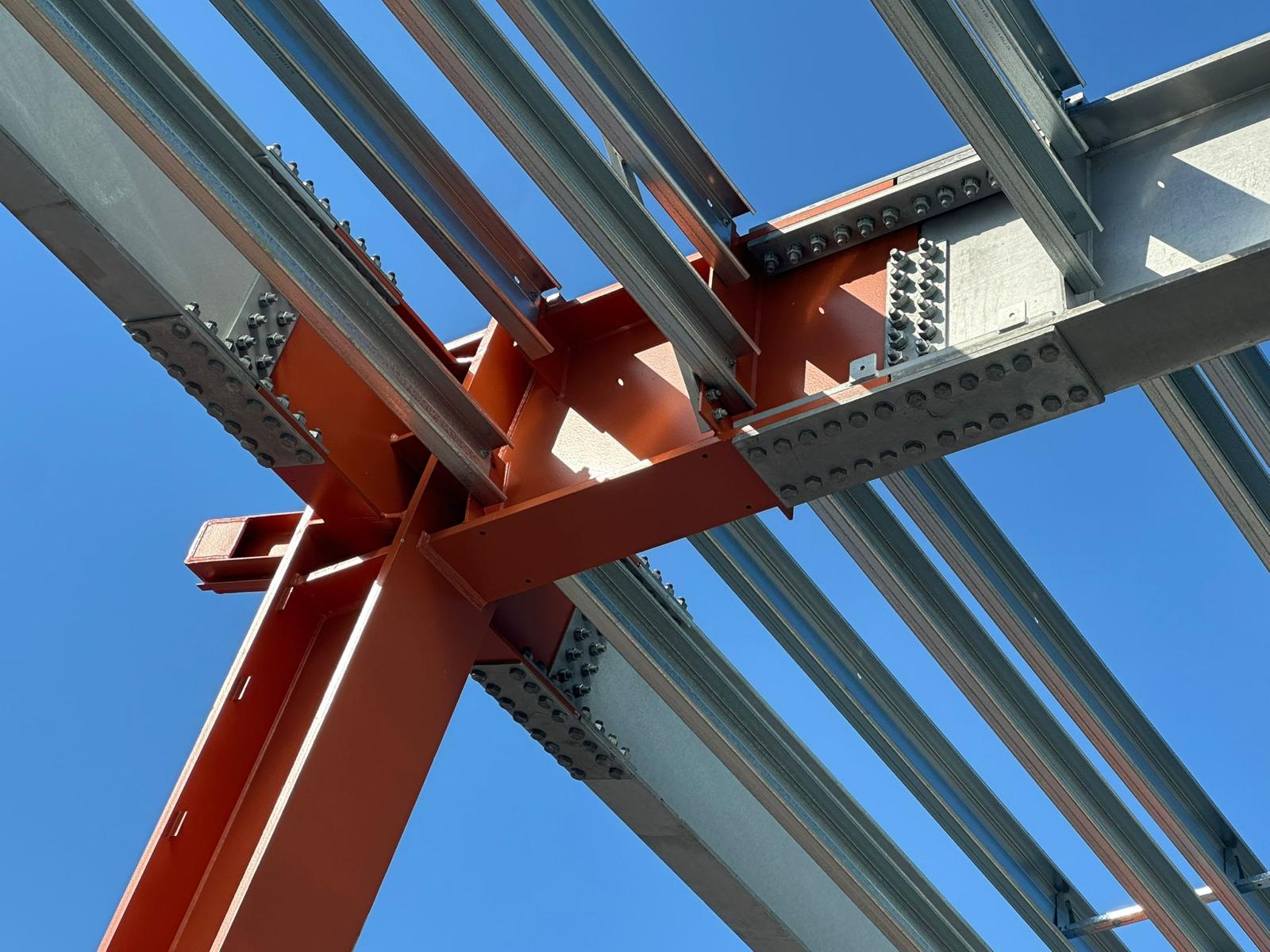
How Hard Bakka Rigging fits in
We’re a rigging and steel erection contractor based in Prestons, working across Sydney and NSW. We bring our own cranes, riggers and dogmen, and we work to AS/NZS 5131 with CC2 and CC3 capability.
Every project includes project-specific SWMS, daily toolbox talks, ITPs, and lift studies and methodologies. Recent erection work includes Sydney Metro – ABP Station (~168T) and Western Sydney Airport – OCC Building (~166.8T).
Steel coming in for an NSW job? Send the drawings and programme to sales@hardbakkarigging.com.au or call 0415 878 744. We’ll come back with an erection method, crane plan and price.