Why hold points in steel erection matter, and what your steel erector should hand you
Hold points in steel erection are planned stops where the work waits until a check is signed off. They sit inside the Inspection and Test Plan (ITP). Together, they let you show at handover that the frame went up right.
On a steel job, the frame going up is only half of what you pay for. The other half is the record that proves it. So here is how ITPs and hold points work on a structural steel erection package, and what to expect from the crew erecting your steel.
1. What is an ITP?
An Inspection and Test Plan lists the checks for a package of work, in the order the work happens. For each step, it sets out what the crew checks, what they check it against and who does the check. It also says how the crew records the result.
For structural steel, the checks usually follow AS 4100 and AS/NZS 5131, as well as the project drawings and specification. In other words, the ITP turns those documents into a list a crew can work through on site.
2. What is a hold point?
A hold point is a stop in the ITP. Work doesn’t continue past it until the person the ITP names has done the check and signed it off.
Some ITPs also use witness points. In that case, the crew tells the inspector the work is happening, and the inspector can come and watch. However, the job doesn’t stop and wait.
The difference matters on a programme. Because a hold point is a planned stop, you need to book it in, not discover it on the day.
3. Why hold points matter in steel erection
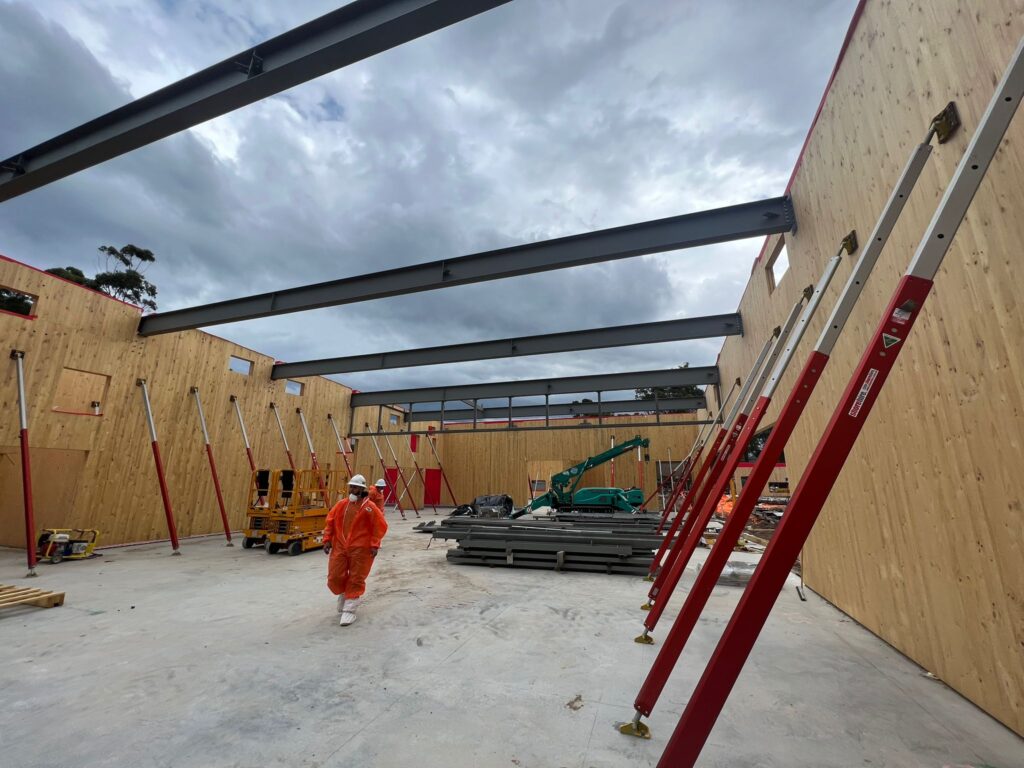
Once the next stage covers something, nobody can check it again. For example, a connection behind sheeting, cladding or fire protection is very hard to inspect later. A column base cast into a slab can’t be checked at all.
That’s why a hold point makes sure the check happens while the work is still in view. The crew can still measure it and, if needed, fix it. Fixing something before it’s covered costs far less than finding it at handover.
4. Where hold points usually sit in a steel erection package
Every project’s ITP is different, and your engineer and specification set the actual points. Even so, these are common hold points in steel erection:
- Before the first column goes on: set-out and holding-down bolts checked against the drawings
- Once the first bay is up: plumbed, braced and checked before the rest of the frame builds off it
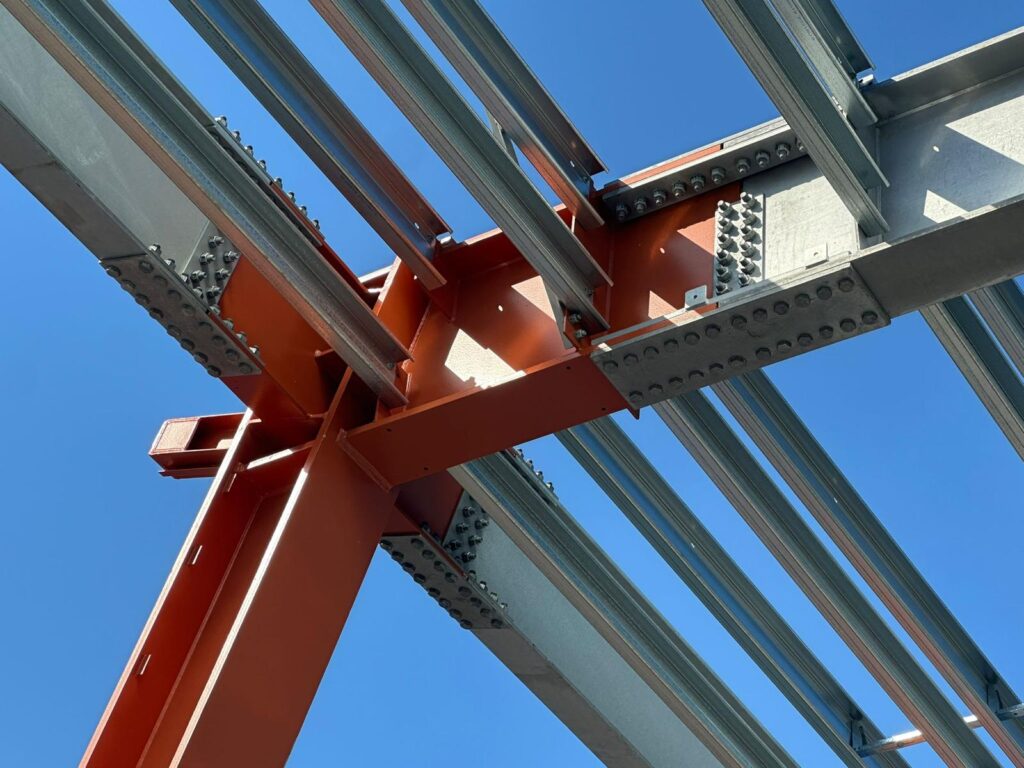
- Connections: bolt tensioning checked and recorded before anything covers them
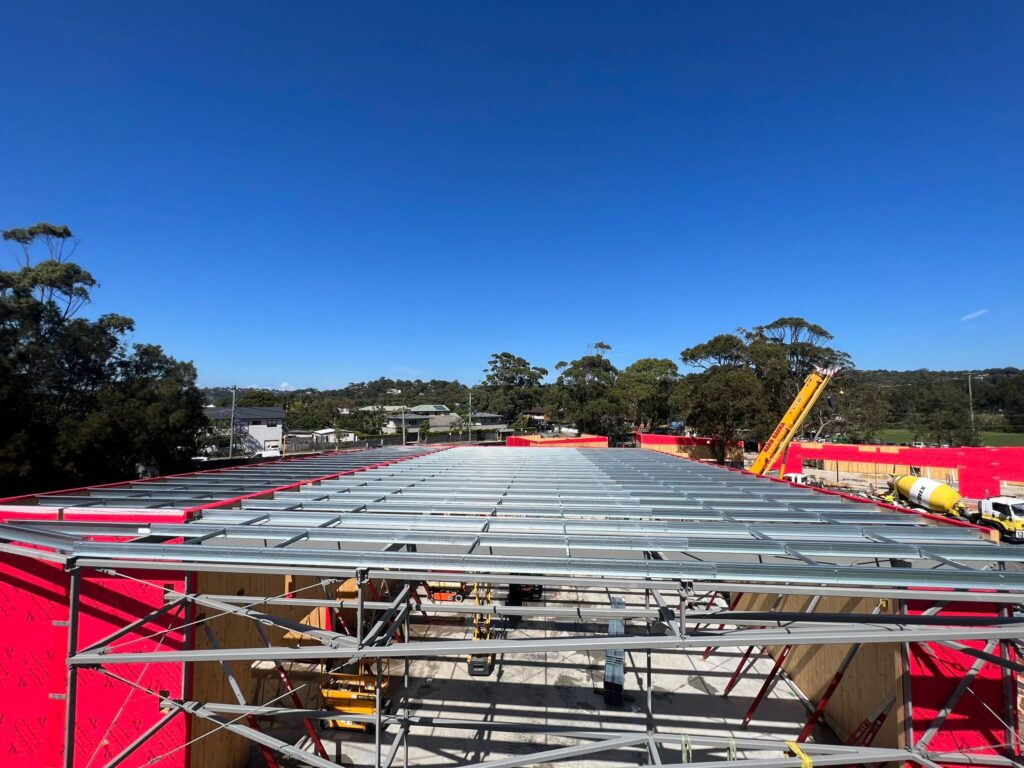
- Before the next trade covers the steel: roof sheeting, cladding, decking or fire protection
- Before handover: a final check of line, level and plumb against the drawings
5. Who signs a hold point off?
The person the ITP names, not whoever is closest. Depending on the project, that can be the builder’s site engineer or QA manager, the structural engineer, or an independent inspector.
If the ITP doesn’t say who releases a hold point, sort that out before the steel arrives. Otherwise, the crew waits on site while someone works out who can say yes.
6. How we handle hold points in steel erection
Our crews erect structural steel to AS 4100 and AS/NZS 5131, with CC2 and CC3 capability. On every project, we produce:
- project-specific SWMS and daily toolbox talks
- Inspection and Test Plans for our erection work
- lift studies and erection methodologies, prepared before we mobilise
- hold-point sign-offs, kept in a structured QA register
- bolt tension verification, recorded and signed off
We also plan the hold points into the erection sequence with you before the crane arrives. As a result, a planned stop doesn’t turn into a standing crew. On every major project, a Site Director is there to make the call on the day.
We’re ISO 9001, 14001 and 45001 compliant. The paperwork gets done as the steel goes up and arrives with the steel, so you’re not chasing it at the end.
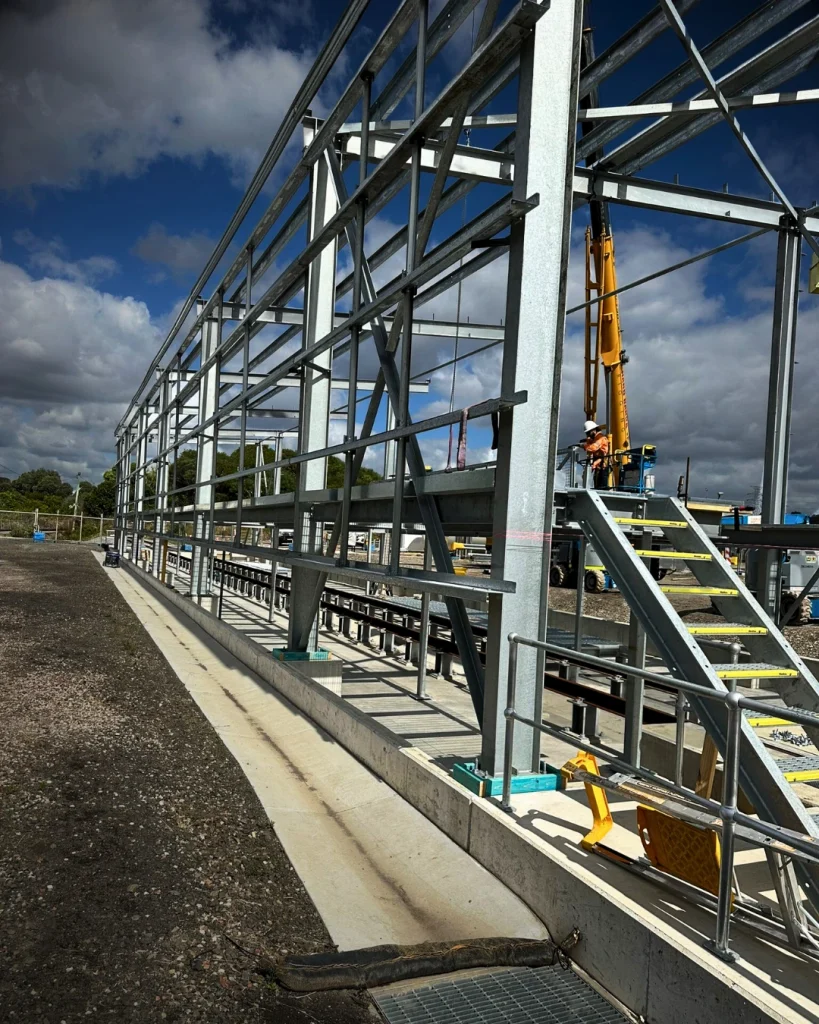
7. Five questions to ask your steel erector
Before you award the package, ask these five questions about hold points and QA on the steel erection:
- Will you prepare an ITP for the erection work, and when will we see it?
- Where are the hold points, and how much notice do you need to book an inspection?
- How do you record bolt tensioning?
- Who on your side signs off each step, and is someone on site who can make decisions?
- When do we get the completed records: at each stage, or only at handover?
Steel package coming up? Send the drawings, specification and programme to sales@hardbakkarigging.com.au or call 0415 878 744. We’ll come back with an erection method, crane plan and price.