How Australia’s giant iron ore discovery could reset global steel costs and transform construction and infrastructure for decades
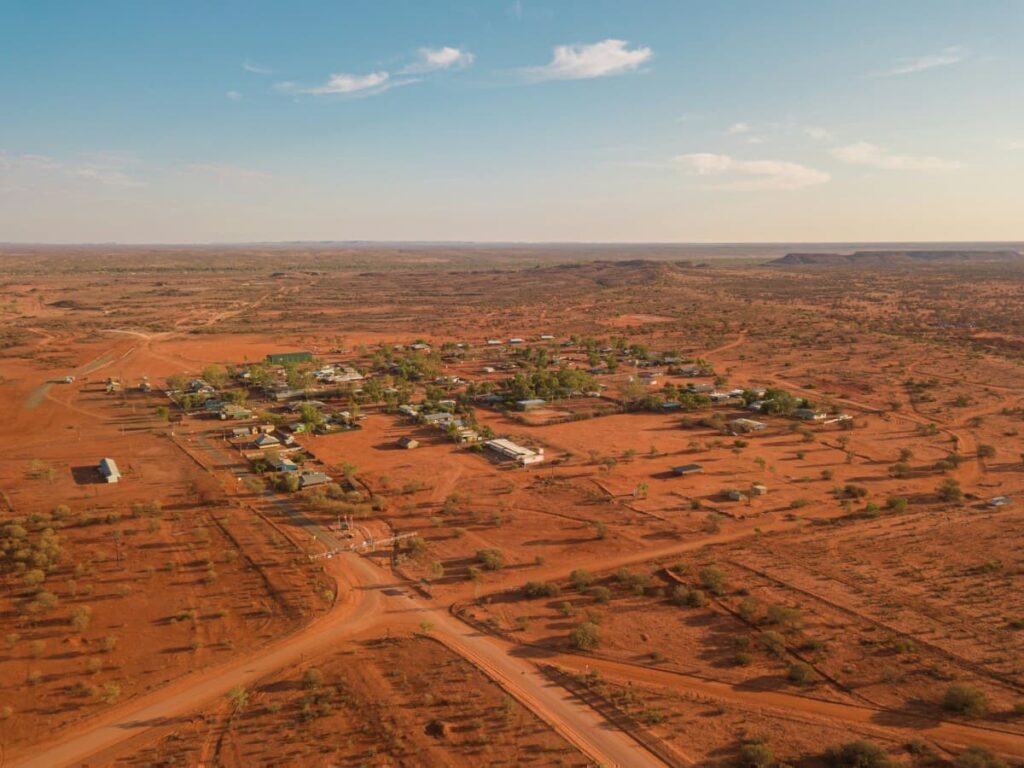
Australia has just confirmed one of the largest iron ore discoveries in modern history — a colossal deposit estimated at 55 billion tonnes, valued at nearly $6 trillion USD. Found in Western Australia’s Hamersley region, this ore body is not only massive in scale, but also exceptionally high grade, exceeding 60% Fe content.
This discovery has the potential to shift global steel pricing, stabilise supply chains, and accelerate major construction and infrastructure programs over the next two decades. For builders, steel fabricators, rigging companies, crane operators, and engineering contractors, the impact could be significant — and long-lasting.
🔎 Why This Find Matters
Geologists initially believed the region’s deposits were over 2.2 billion years old, but new isotopic testing shows they are ~1.4 billion years old, challenging long-held theories about Earth’s mineral formation. More importantly — the ore quality is exceptionally high, making it faster, cheaper and cleaner to process into steel.
Key Discovery Facts
| Element | Detail |
| Total deposit size | ~55 billion tonnes |
| Estimated value | ~$6 trillion USD |
| Ore grade | >60% Fe |
| Location | Hamersley Province, Western Australia |
| Significance | Largest known high-grade deposit ever recorded |
This isn’t just about mining.
It’s about global steel economics — and the industries built on top of it.
🔥 Steel Production & Material Costs Could Shift Worldwide
Iron ore is the backbone of steel — and steel is the backbone of modern industry.
If supply increases, steel manufacturing becomes:
✔ Cheaper
✔ More stable
✔ More predictable
This could mean:
- Lower raw material costs for mills
- Reduced price volatility during peak demand
- More stable steel pricing for long-term contracts
- Better forecasting for high-budget infrastructure projects
Even a 5–10% reduction in steel cost can save millions on large commercial builds.
Global Supply Chain Shift: The Balance May Move
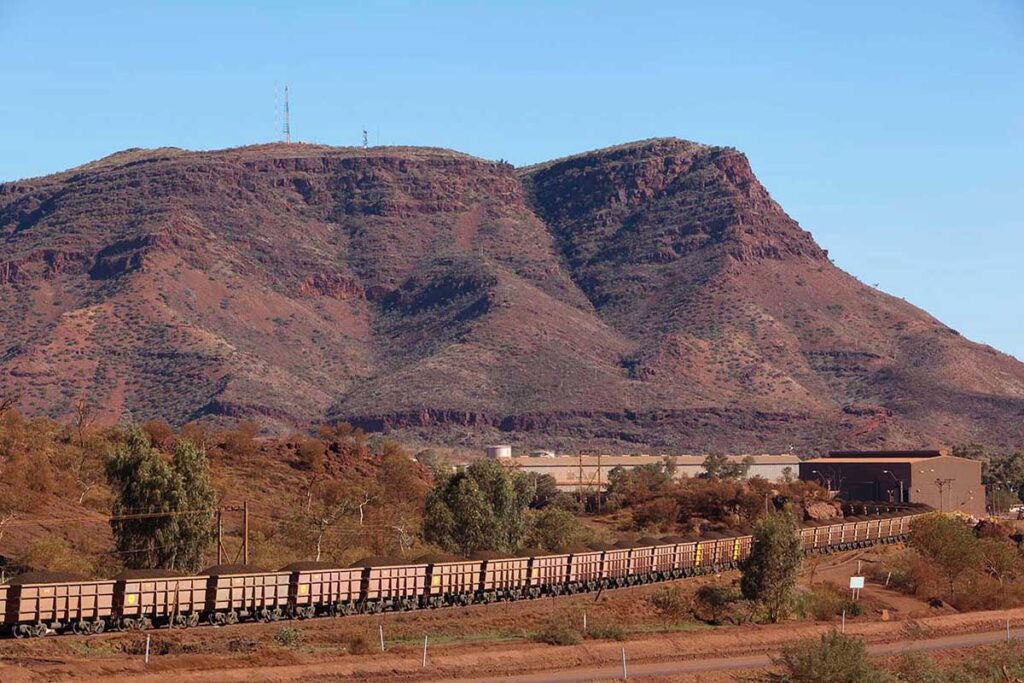
Australia already supplies ~65% of the world’s iron ore.
This discovery could increase export leverage, especially in the Asia-Pacific region.
Expected market outcomes:
- Reduced reliance on Brazil & African suppliers
- Strengthened trade flow to China, India & Southeast Asia
- More resilient supply during political/economic tension
- Growing demand for port & freight expansion
More ore → more steel → more construction capability.
🏗 Who Feels It First? Construction & Infrastructure Projects
Steel prices influence everything — beams, columns, bridges, cranes, data centres, hospitals, stadiums.
Sectors likely to benefit:
✔ Transport & infrastructure
✔ Renewable energy (wind/solar frameworks)
✔ High-rise commercial construction
✔ Modular and prefabricated projects
✔ Industrial facilities & mining structures
For steel erection & rigging companies, this may increase:
- Installation workloads
- Crane lift demand
- Project volume across NSW
- Need for engineered lift planning & site compliance
🧠 The Geological Shock Behind the Discovery
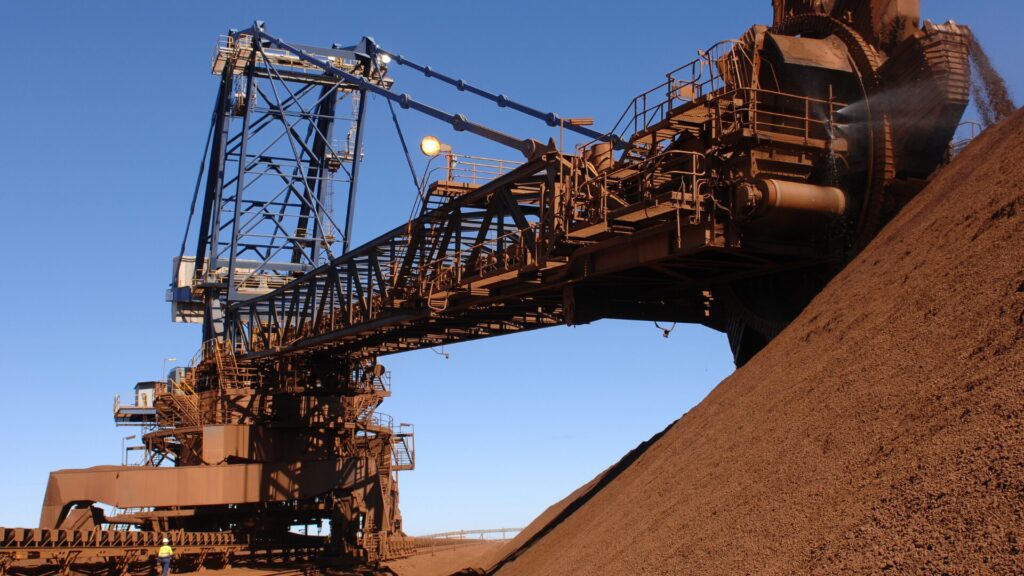
Researchers uncovered something unexpected — the ore is younger and purer than previously believed. A transformation from ~30% to >60% Fe has puzzled geoscientists for decades.
New findings suggest:
- Geological models for ore formation may need rewriting
- Similar mega-deposits could exist elsewhere worldwide
- Exploration strategies may accelerate globally
This discovery is rewriting both industry economics and geological science.
🛠 Technology That Helped Happen
The reserve was located using:
- Deep-earth imaging
- AI-assisted mapping
- High-resolution isotopic dating
- Chemical ore concentration scanning
Why it’s important for steel:
| Advancement | Benefit |
| Higher ore grade | Stronger, more consistent steel |
| Cleaner extraction | Lower environmental footprint |
| Efficient smelting | Less energy per tonne |
| Targeted mining | Faster & less wasteful production |
Better ore = better steel.
🏢 Who Gains the Most?
Likely long-term beneficiaries:
- Steel mills and manufacturers
- Construction contractors
- Fabrication workshops
- Rigging & erection companies
- Heavy lifting & crane hire operators
- Government capital works programs
Cheaper steel enables bigger, heavier, faster builds — all reliant on safe rigging and lift execution.
📅 Outlook: 5–20 Year Forecast
Mining scale-up isn’t instant, but analysts expect a phased impact.
| Timeline | Expected outcome |
| 1–5 years | Early price stabilisation, exploration growth |
| 5–10 years | Increased export volume, supply chain expansion |
| 10–20 years | Global steel market realignment, construction boom |
This discovery may shape an entire generation of infrastructure development.
What This Means for Hard Bakka Rigging
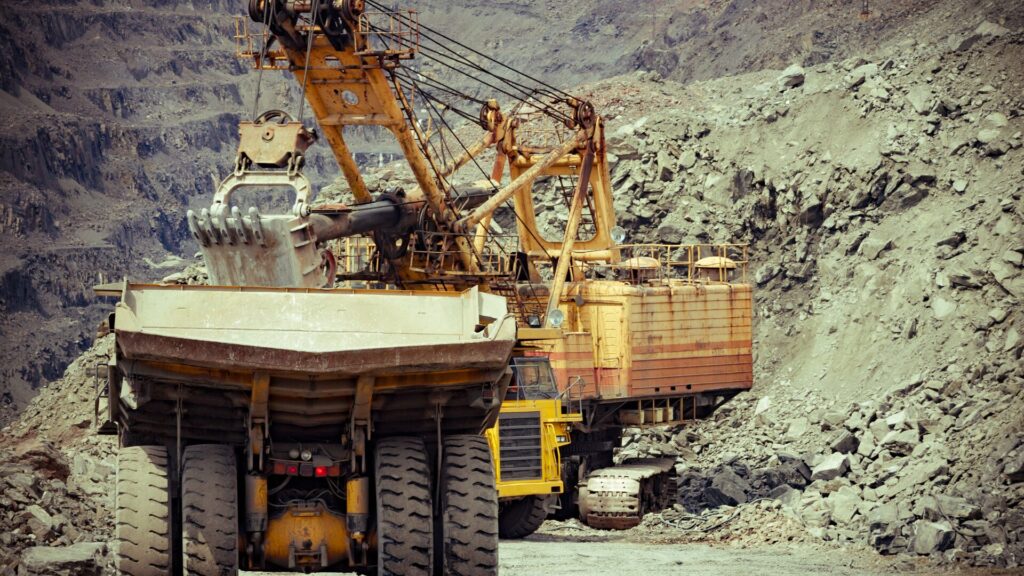
As steel output grows, construction capacity grows.
More steel means more lifts, more structures & more rigging demand.
Hard Bakka Rigging supports industry growth with:
✔ Structural steel erection & rigging
✔ Engineered lift planning & execution
✔ Mobile crane hire — wet & dry
✔ Riggers, dogmen & crane operators
✔ Bolt-up, alignment & on-site installation
✔ Tier-1 safety systems & documentation
We help projects move from steel delivery to structure elevation — safely and efficiently.
Final Takeaway
Australia’s iron ore discovery is more than a mineral win — it is a global industry turning point. It could reduce steel pricing, stabilise supply, accelerate infrastructure delivery, and expand construction capability nationwide.
This is only the beginning.
For rigging, crane hire, or steel erection projects:
Hard Bakka Rigging — Steel Rigging. Precision. Performance.
📞 0415 878 744
📩 sales@hardbakkarigging.com.au
https://hardbakkarigging.com.au/contact-us